cheap espresso machine worth it
Is a Sub-$300 Espresso Machine Worth It?
After years on budget espresso machines, here's where sub-$300 gear genuinely delivers and where it quietly costs you more than it saves.
Reading brief
Decision first. Evidence immediately after. By Marco Reyes 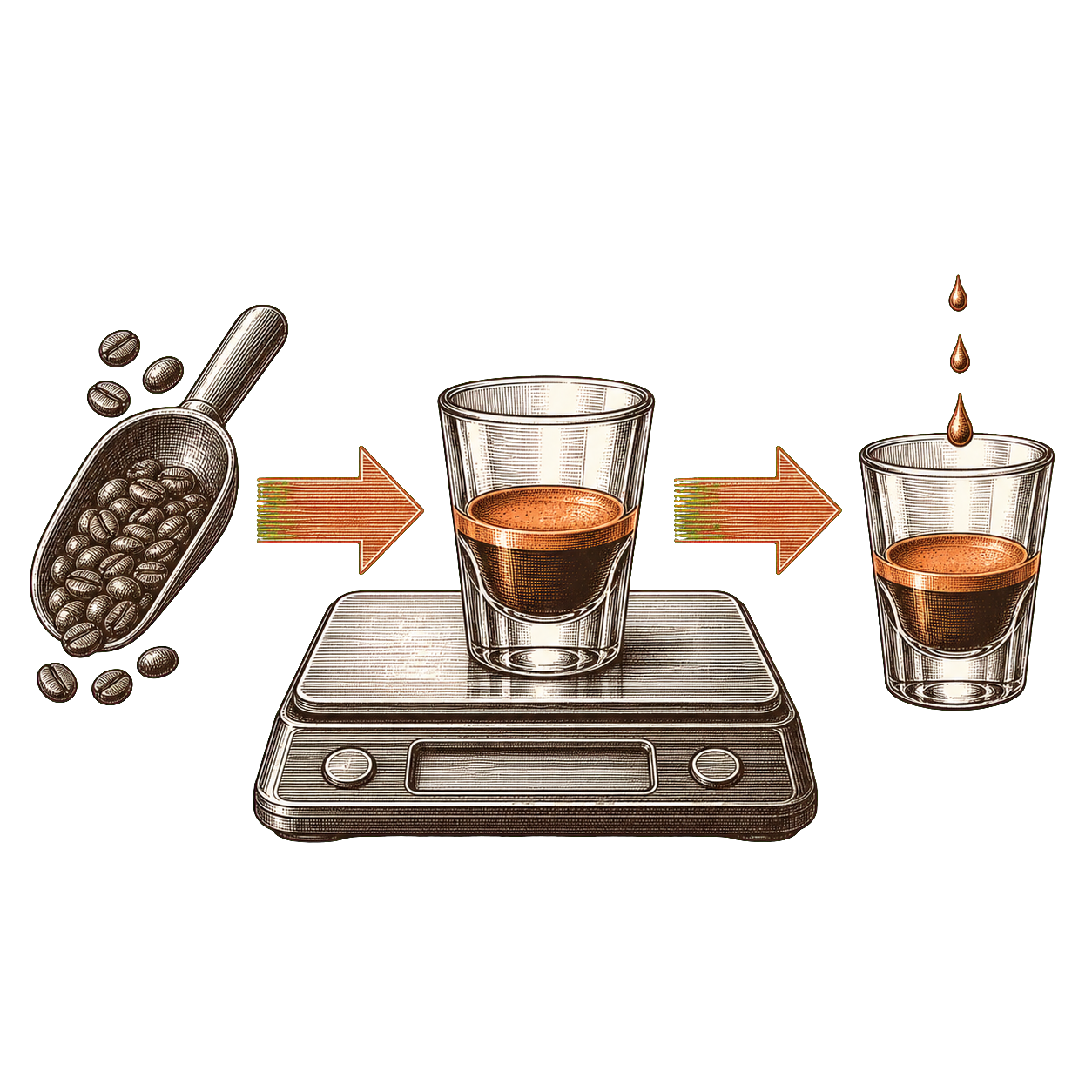
If you’ve spent any time looking at home espresso, you’ve seen the pitch: a shiny machine under $300 that promises “barista-quality” shots. I’ve owned a few of these. The honest answer to whether they’re worth it is: yes, but only if you understand what you’re actually buying.
A sub-$300 machine can be a good first step for one person learning espresso. It is not usually the best way to spend an entire first setup budget. If the machine leaves no room for a capable grinder, a scale, fresh beans, and basic maintenance, the cheap machine quietly becomes expensive. The mistake is not buying cheap — it is buying cheap and then expecting the machine to behave like gear that costs three times as much.
What a sub-$300 machine really gives you
In my experience, the money at this price goes into the machine body and the pump, not into temperature stability or steam power. The first cheap machine I owned could pull a drinkable shot, but back-to-back shots drifted noticeably: the first was bright, the third tasted flat. That’s not a defect; it’s the price point. You’re getting a single thermoblock doing a job that pricier machines hand to a proper boiler.
Steaming milk was the bigger compromise. The wand had enough power for one small latte before it needed to recover. Fine for one person. Frustrating if you’re making drinks for two. The pattern across every budget machine I have used is the same: the espresso side is better than people expect, and the steam side is worse. If your morning is a single straight shot or one small milk drink, the compromise barely registers. If it is two cappuccinos before everyone leaves the house, the cheap machine fights you daily.
Where the budget tier genuinely wins
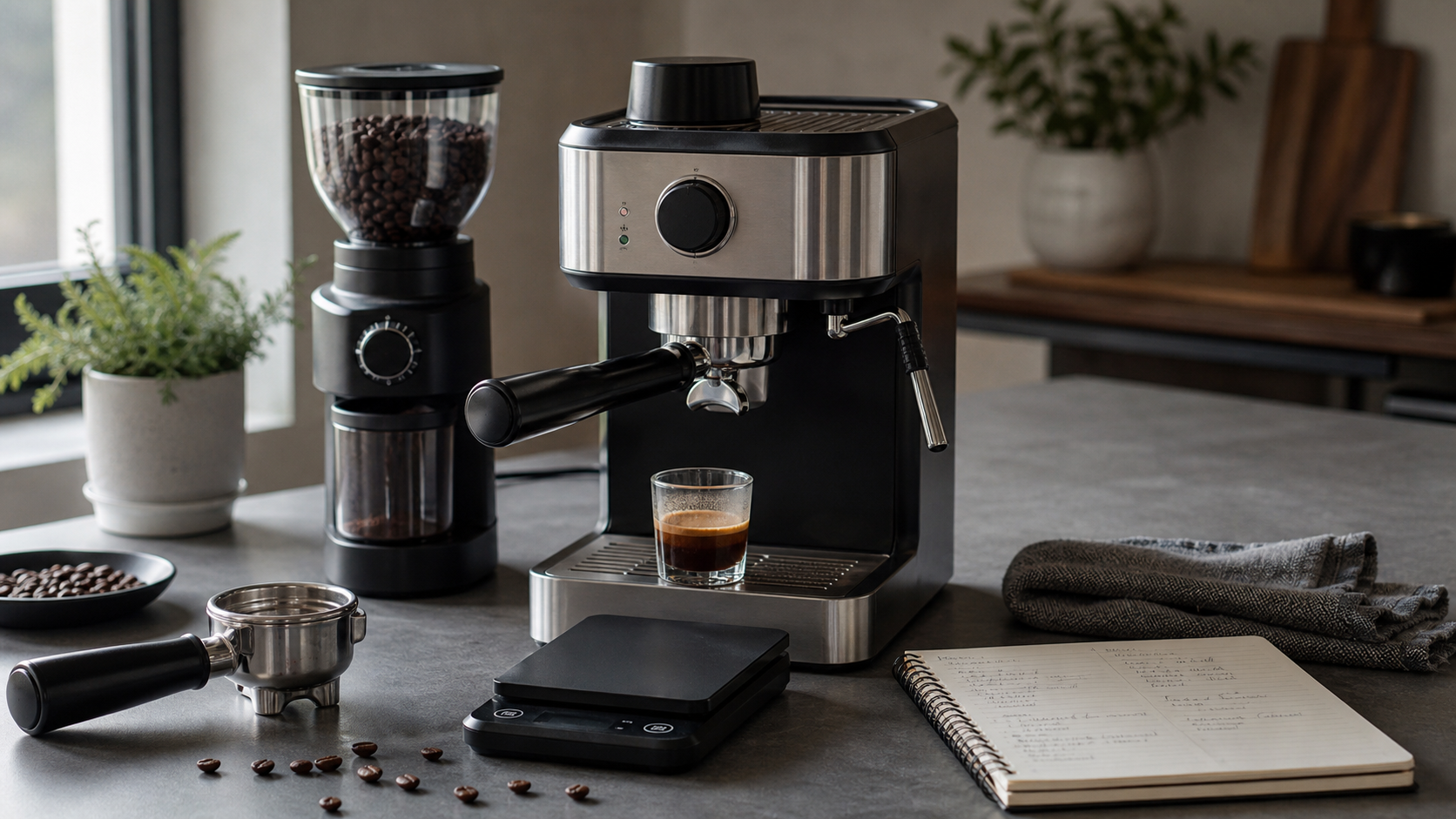
Here’s what surprised me: the espresso itself can be good, if you fix the part most beginners ignore. The grinder matters more than the machine at this level. Pairing a cheap machine with a halfway-decent grinder got me consistently better shots than spending the same total budget on a fancier machine and a throwaway grinder. If you only remember one thing from this page, that’s it.
That is why the full beginner setup guide starts with budget allocation, not a machine list: best home espresso setup for beginners. CoffeeReview’s espresso grinding guidance makes the same practical point from another angle: pump espresso needs a precise grind. If the grinder cannot make small changes, the machine cannot show you what it is capable of. The deeper version of this trade-off — how to actually split the money — is in the grinder vs machine budget guide, and at this price it is the single decision that determines whether you are happy.
For a single person who drinks one or two shots a day, a sub-$300 machine plus a real grinder is, in my opinion, the best value entry point in home espresso.
The pump is better than the price suggests
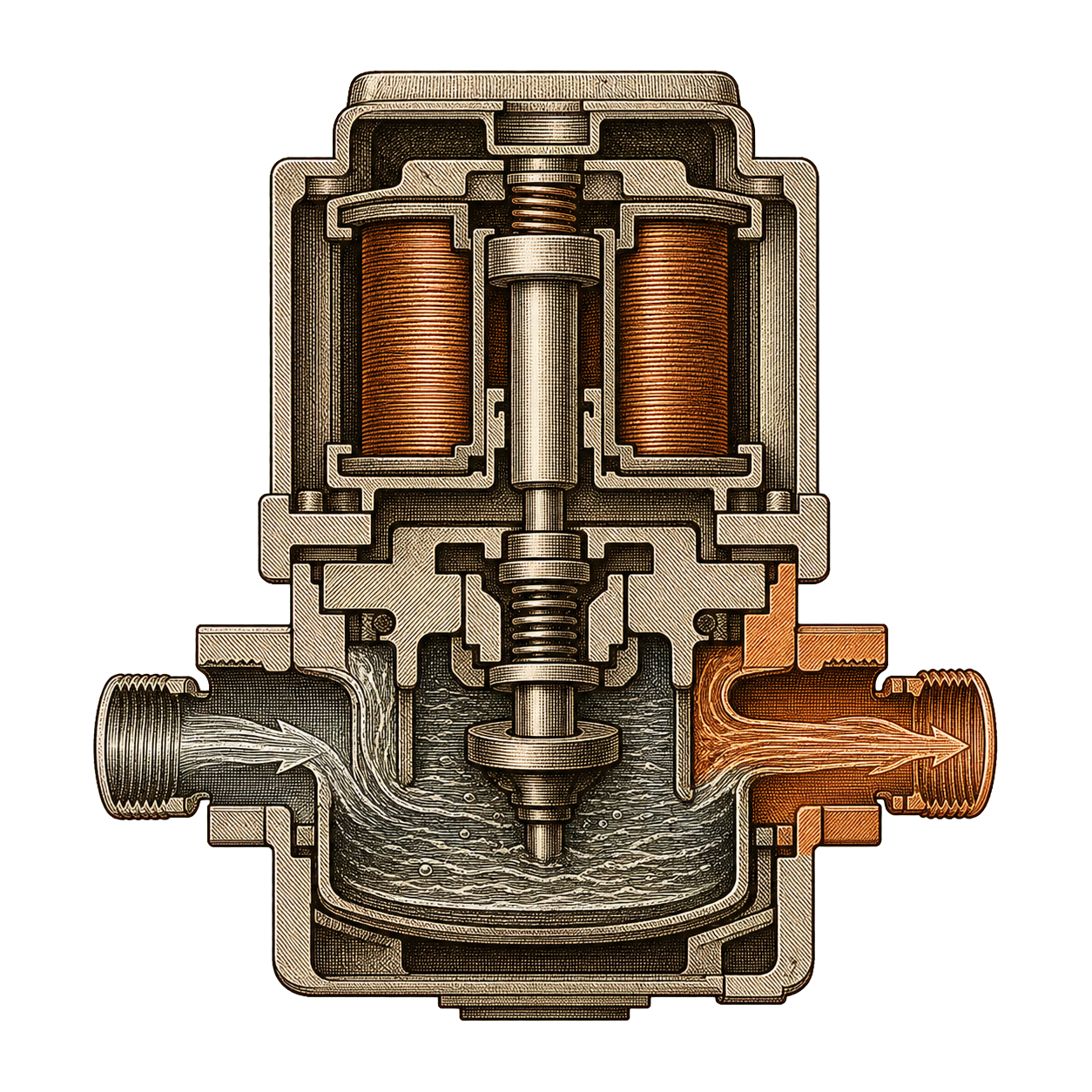
Here is a detail that reframes the whole “cheap espresso” worry. The vibratory pump in a budget machine is, in many cases, the same class of part used in machines costing far more. Real espresso needs roughly 9 bars of pressure at the puck, and a competent budget pump delivers it. Breville, for reference, lists 9 bar extraction even on its compact machines. So the thing people fear is missing at this price — pressure — is usually present. What you are actually trading away is everything around the pump: temperature stability, steam recovery, build quality, and serviceability. Knowing that changes how you shop. You are not hunting for “enough pressure,” because you already have it. You are deciding how much temperature stability and steam power your drinks actually require.
Where it quietly costs you
The hidden cost is longevity and frustration. Cheap machines are less serviceable, and limescale is unforgiving. I killed one early by ignoring descaling. If you’re in a hard-water area, budget for filtered water and a descaling routine from day one, or you’ll be re-buying within a year or two.
Breville’s Bambino descale tutorial calls descaling an essential cleaning process because scale prevention affects coffee quality. That is not unique to Breville; any small machine that heats water deserves a water routine. Read the deeper version here: hard water and espresso machines. The reason this matters more at the budget tier is serviceability: when a $1,500 machine scales up, you descale it or have it serviced and move on. When a $200 machine scales up, the repair often costs more than the machine is worth, so a $5 habit you skipped becomes a $200 replacement. The math on cheap machines is brutal precisely because they are cheap.
What I would not expect under $300
Do not expect cafe-speed steaming, silent operation, heavy commercial parts, or easy serviceability. Do not expect the machine to fix pre-ground coffee. Do not expect perfect temperature recovery if you pull several shots back to back.
Expect a learning platform. That is enough if your goal is one or two drinks a day and you are willing to measure what happens. The budget machine is genuinely good at one job: teaching you dose, grind, yield, and timing on a real pump system, cheaply, so that if you upgrade later you already know what you are upgrading for. People who learn on a budget machine and then move up make far better use of the expensive machine than people who skipped the lesson.
When the upgrade actually makes sense
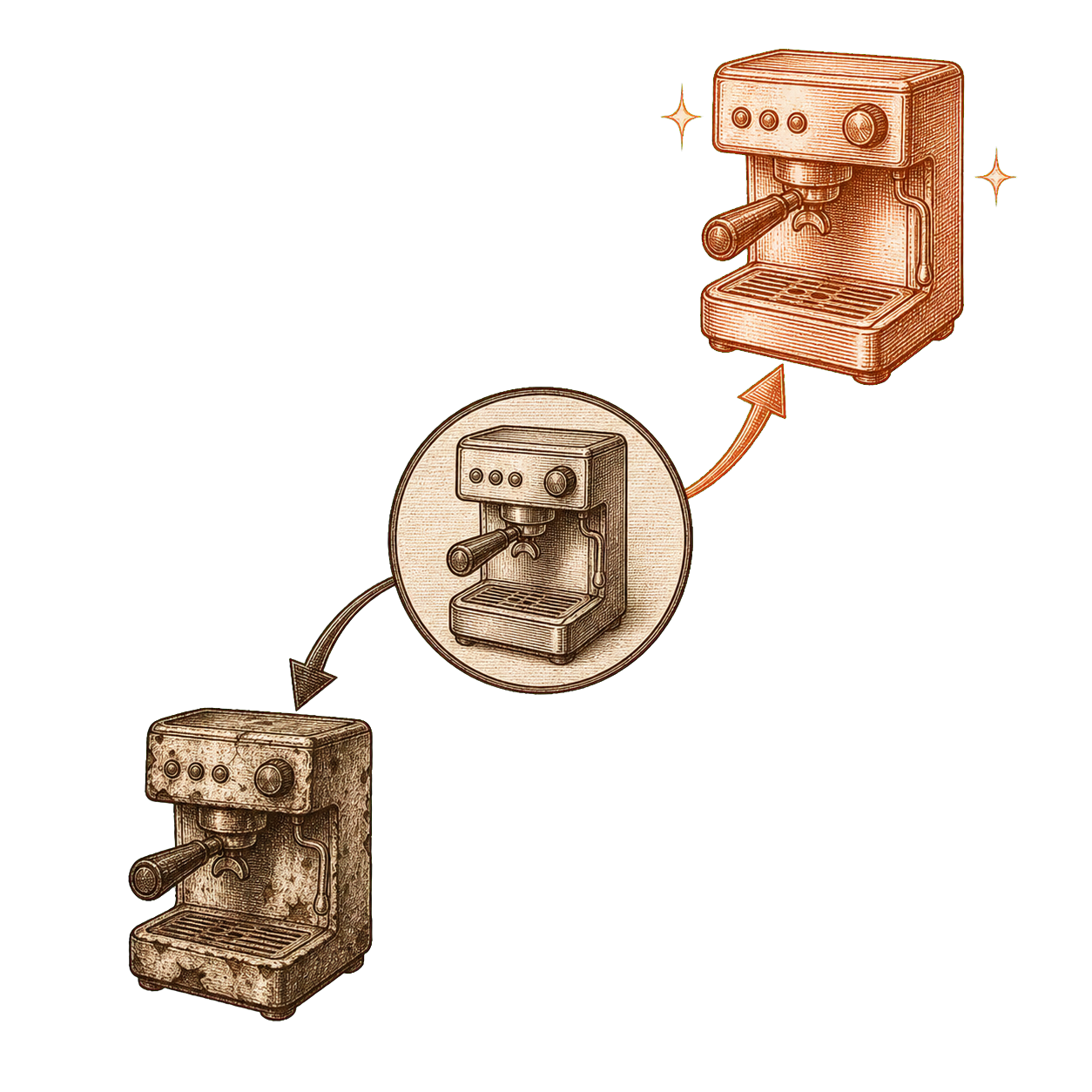
The right time to leave the budget tier is not a date or a price — it is a feeling you can name. You are ready to upgrade when your shots are consistently good and your frustration has moved off the cup and onto the machine: slow steam between drinks, a tank you fight, a shot temperature that drifts when you make more than one. As long as your complaint is still “my espresso tastes off,” a more expensive machine is the wrong purchase, because that complaint is almost always grind, dose, or technique. The machine becomes worth upgrading only when your technique has outgrown what the machine can express. In my experience that point arrives later than most beginners expect — usually a year or more in, not the first frustrated month.
What to actually look for in a budget machine
If you have decided the budget tier fits your drinks, not all sub-$300 machines are equal. Here is what I weigh, having owned several, in rough order of importance.
Real pump pressure first. You want a machine that delivers genuine extraction pressure — around 9 bars at the puck — rather than relying solely on a pressurized portafilter to fake crema. Many budget machines ship with pressurized (dual-wall) baskets that are forgiving for pre-ground coffee but mask what your grind is doing. A machine that can also take a standard single-wall basket leaves you room to grow into real dialing-in. If it is pressurized-only forever, you have bought a ceiling.
Steam capability second, weighted by your drinks. If you take straight espresso, a weak wand barely matters. If you make milk drinks, look hard at whether the wand is a real steam wand or a frothing aid, and accept that recovery between drinks will be the daily compromise at this price. Be honest about your morning before you pay for steam you will not use — or skimp on steam you will.
Serviceability and water third. Cheap machines are where scale does the most damage because repairs often cost more than the machine, so favor anything that makes descaling easy and check that the manual supports a real cleaning routine. The hard water guide explains why this is not optional at the budget tier.
A note on buying used. A used machine one tier up can beat a new budget machine, but only if you can verify it was descaled and is not already scaled internally. Ask the seller about their water and descaling habits the way you would ask about a car’s oil changes — a neglected machine at a tempting price is usually neglected for a reason, and scale you inherit is scale you cannot see until it fails.
The decision
- Buy budget if: you’re one or two drinks a day, you’ll spend on a grinder, and you’re willing to learn technique.
- Skip budget if: you make milk drinks for a household, want push-button consistency, or won’t keep up with maintenance.
- Wait if: the cheap machine would consume the grinder budget. Buy the grinder first, then choose the machine.
FAQ
Can a cheap machine pull good espresso? Yes. The limiting factor at this price is usually the grinder and your technique, not the machine alone. The pump delivers real pressure; the grind delivers the rest.
Why do my shots taste inconsistent? Temperature drift between shots is common on single-thermoblock budget machines. Wait for recovery, flush the group, and keep your grind dialed in. If a single shot is sour, that is recipe, not the machine — see why espresso tastes sour.
What kills budget machines fastest? Scale. Filtered water and a regular descaling routine matter more than anything else for longevity, and the repair math makes prevention non-negotiable at this price.
When should I upgrade from a budget machine? When your shots are already good and the machine — not your technique — is the limit: steam recovery, temperature stability, or build. Not before.
Want the grinder side of this? Read grinder vs espresso machine: where the first $500 actually matters. That is where most beginner setups are won or lost.
Source-verified and edited by Marco Reyes. Data current as of June 2, 2026.
References